All Episodes

Displaying 21–35 of 35 in total

#15

Wrestling with God: Christianity, Wealth, Greed and the Fear That Divides Us

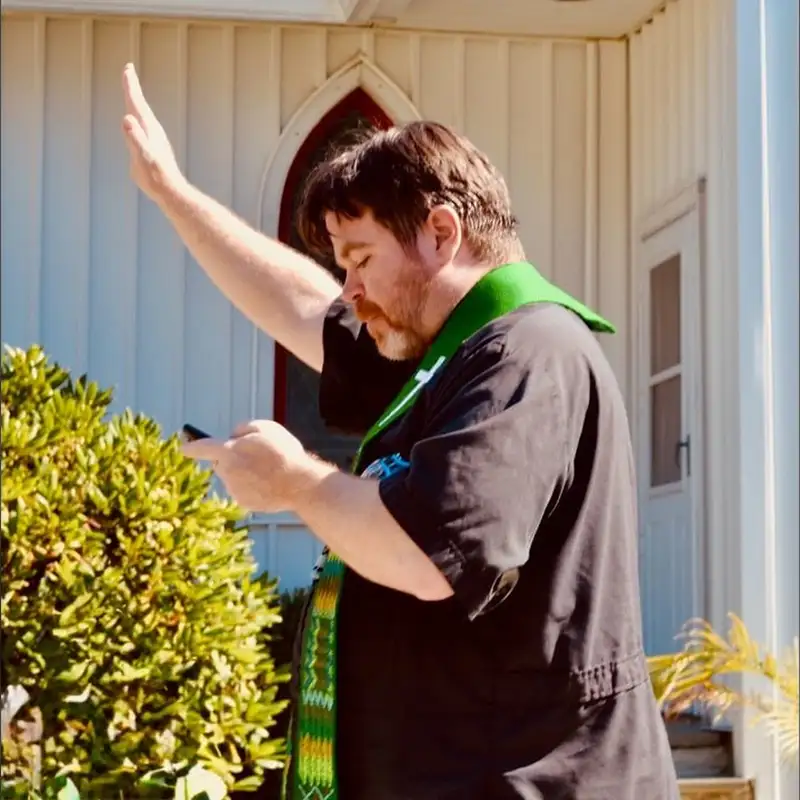
📬 Get new episodes in your inbox: https://passadino-publishing-llc.kit.com/c610a5004f Originally released as The John Passadino Show, now Looking Through the Lens of Hopefulness. I conducted an in-depth discussion with Father Brian Barry, exploring the challenging intersection of faith, economics, and Christian values in today’s America. In a wide-ranging conversation at St. Thomas Episcopal Church in Farmingdale, New York, Father Brian Barry didn’t mince words about his opinion of wealth: if you have accumulated a billion dollars, you cannot have gotten there honestly or morally—only legally. This provocative statement launched an exploration of what it truly means to follow Jesus Christ in a society marked by extreme wealth disparity, political division, and competing claims about Christian values. The Sin of Accumulation Father Barry argued that anyone making a billion dollars has engaged in “almost every cutthroat practice possible,” including treating labor as expendable and prioritizing investor returns over human dignity. He bases his position on scripture, not political ideology. Jesus talks more about what people do with their wealth than about anything else, and the message, Father Barry notes bluntly, is to give it away. Some examples are: “Watch out! Be on your guard against all kinds of greed; life does not consist in an abundance of possessions.” (Luke 12:15) When a rich young man asked what he needed to do to inherit eternal life, Jesus said, “Go, sell your possessions and give to the poor, and you will have treasure in heaven. Then come, follow me.” (Mark 10:21) “It is easier for a camel to go through the eye of a needle than for a rich person to enter the kingdom of God.” (Matthew 19:24) The greed that drives unlimited accumulation, Father Brian explained, stems from a deeper spiritual crisis: fear of scarcity and fear of death. This fear becomes the opposite of faith, leading people to make decisions that prioritize security and appearance over genuine human connection and moral responsibility. I’ve wrestled with my financial status. Do I have too much? Am I a hypocrite for not giving more of it away? I rationalize my giving as I state to myself, “Hey, I give of my time instead. I volunteer for multiple organizations, and time is more valuable than money, isn’t it?” I also thought of trillion-dollar companies such as Amazon, Microsoft and Apple. On the one hand, they employ many people, but on the other, the bottom 50% of people own only 2.3% of US dollars. Is that the fault of those companies? Not directly. In a free market economy, investors do not have to keep or distribute their millions. I wondered how billionaires saw themselves. Why did they keep accumulating and how much do they give away? When Faith Meets Politics When asked what drives the wedge dividing Christians in America, Father Barry’s circled back to money. Despite political differences, many Americans—whether they vote democrat or republican—agree that the rich don’t pay their fair share, that the little guy gets crushed, and that healthcare and grocery costs are crushing families. I found polls that supported that conclusion. One conducted as recently as March 2025 and another in August 2025. The view of money as a key influencer is not unique to one political party. Per Father, neither political party represents the interests of the people, instead serving their donor class. In our conversation, we mentioned that presidential campaigns have spent up to one billion dollars. Where does that money come from? Much comes from political action committees. How much? PACs raised and spent about $15.7 billion during the 24-month period covering the 2023-2024 election cycle. The result is a troubling hypocrisy: misrepresented Christians walk past the poor, while policies that harm the vulnerable get pushed to the forefront, and instead of transforming lives with money, entities push for policies that enable them to hoard their wealth. What Jesus Actually Said At the heart of Father Barry’s message is a return to Jesus’s actual teachings. I asked Father to explain the story of the coin and Caesar during which Jesus is challenged to state whether it is lawful for Jews to pay taxes to Caesar. I wondered if there was a tie-in to his assessment of unfairness. Father Brian explained Jesus responded to the Jews by saying it is okay to pay to Caesar what is Caesar’s. Then, he reminds his questioners that they should give themselves to God because God made humans in His image. Jesus’ statement was a radical statement about where our ultimate loyalty belongs and how we should value human life over money. This point ties back to Father’s statements on income inequality. To me, he meant, humans should treat fellow humans as representatives of God. Jesus taught we are literally his hands and feet in the world—when we allow the Holy Spirit to lead us, we enact Jesus’s plan by healing the sick, feeding the poor, caring for the needy, and restoring outcasts to community. If those with huge amounts of money saw the poor as images of God, would they not want to see them fed? However, should they be forced to give up their wealth? No, I don’t think so. But, if one is to call themselves a Christian, they should absolutely take it into consideration. Although the priest did not implicate me, my Christian guilt reared its head. The thought I may be part of the problem stunned me. I am not wealthy, but I don’t live paycheck to paycheck either, which means I have a buffer. Do I give enough to charity? After conversing with Father Brian, I realized I hold back my financial support because of fears I may not have enough. Meanwhile, Jesus said we should not be afraid. We should have faith. What is it about us humans that causes such fear? It’s complicated. Some of it is instinctual and warranted. Others are a matter of choice. I am not trained clergy and don’t feel I am able to judge, but Father Brian’s words challenged me to examine whether my fears are based in reality or in a lack of faith that God will provide. I’ve had major problems with fear of not having enough money stemming from watching my parents struggle to make ends meet, and I never wanted to find myself in such a position. The Truth About Heaven and Hell Father Barry challenged popular American evangelical notions about salvation. The focus on “getting to heaven” misses the point entirely—citizenship in the kingdom of God begins here and now, extending into eternity. I’ve often thought the same, especially after reading the work of Meister Eckhardt, a Christian mystic who said, “The more you forget and go within yourself, the closer you will be to him.” Even Jesus said the kingdom of God is at hand. Did he mean the kingdom of God was here now? Father felt we are on a continuum and that the afterlife extends the here and now. I believe that to be true as well. The religious life is about becoming one with Jesus through caring for people, not about checking boxes on a church rules checklist. People who left the church because of abuse, never heard the gospel, or rejected the hypocrisy they witnessed are not automatically condemned. People who say, “No one understands God,” may be closer to the truth than those who claim to understand everything about God. What awaits us? When we encounter God face to face, we will see the truth of ourselves—the consequences of our actions, the pain we’ve caused, and the ripples of our choices spreading through countless lives. This reckoning with truth may be more fearful than any fire-and-brimstone imagery. Father Brian’s description of what we may encounter someday made me shudder. Could hell be having to witness and experience firsthand the pain and suffering I caused? I thought I better get busy and right some wrongs. Wrestling with God The name Israel means “wrestling with God,” Father Barry notes—and that struggle is essential to authentic faith. Prayer isn’t about flattering God or performing the right rituals; it’s about honest, authentic conversation, even when that means saying “God, I think you’re being kind of a jerk right now”. That statement may sound very controversial to some but how many times have you found yourself questioning God’s ways? “Why didn’t you heal my family member?” “Why do you allow human suffering?” I contemplated questions. Will God get angry if I speak to him that way? Father countered with his belief that God already knows what we think and that authentic relationship requires genuine communication, including doubt, anger, and questions. A Simple Test Father Barry offers a powerful guideline for evaluating our positions—theological or political: If your entire position is driven by fear and hate, you need to check yourself. This doesn’t mean your position is wrong, but it means you’re not operating rationally and need to invite Jesus in to help you see clearly despite the fear. The Bottom Line The summary of the law is simple: love God and love neighbor, particularly your poor neighbor. Everything else—the theological debates, the political divisions, the doctrinal disputes—must serve this fundamental calling. Father Barry’s St. Thomas Episcopal Church embodies this mission through its Fellowship Cafe, which feeds anyone who walks through the door, and through its simple welcome: all are accepted, regardless of race, religion, gender identity, or sexual orientation. In a time of deep division and competing claims about Christian identity, Father Barry’s message is both challenging and clear: authentic Christianity isn’t about accumulating wealth, winning political battles, or excluding those who are different. It’s about incarnating Christ’s love in the world—healing, feeding, restoring, and welcoming—right here, right now. The kingdom of God isn’t something we wait for. It’s something we build together, one act of love at a time. The video version of this interview will be available November 6th 2025 on Looking Through the Lens of Hopefulness
#14

Daniel Gallagher: A Former Vatican Insider on Grace and Suffering

📬 Get new episodes in your inbox: https://passadino-publishing-llc.kit.com/c610a5004f Originally released as The John Passadino Show, now Looking Through the Lens of Hopefulness. In my latest episode is from “Looking Through the Lens of Hopefulness,” I interviewed Professor Daniel B. Gallagher, a philosophy and literature professor at Ralston College with prior experience a decade of secretarial service at the Vatican for Popes Benedict XVI and Francis. Professor Gallagher, a former Catholic priest, specializes in medieval philosophy and Latin literature and is an accomplished writer on metaphysics, aesthetics, and theology. We opened with a discussion of rhetoric — defined as the art of persuasion, informing, motivating, or entertaining. Gallagher explained the three classical pillars of rhetoric: - Ethos (character/credibility) - Pathos (emotional appeal) - Logos (logical argument) He also highlighted that these elements were central in ancient and classical education, that people cultivated persuasive skills instead of naturally possessing them, and discussed their shifting role and perception in today’s social media-driven society. I agreed that social media posting and messaging have dramatically changed our communication for better and for worse. Professor Gallagher compared ancient and modern communication, noting the erosion of face-to-face conversation and the prevalence of online interactions. We discussed how emotional appeals (pathos) often dominate internet discourse, sometimes at the expense of reason, and how combining ethos, pathos, and logos makes for effective communication. When I asked Daniel to point out an example of stellar execution of rhetoric, he used Dr. Martin Luther King Jr. as his example. The professor cited King as a master of blending all three rhetorical aspects. The professor hailed King’s “I Have a Dream” speech as a specific example of rhetorical excellence. Gallagher also mentioned Donald Trump, for purpose of analyzing speech patterns, saying that even though his style is often criticized, Trump communicates rhetorically on purpose, using persuasive techniques from his business experience, and that his speech is calculated. I agreed and emphasized Trump has specialized in “pathos,” in a manipulative style since the 2016 election, during which he bragged of free press coverage. Like moths to a light, the media flocks to every word he says, good or bad, and propagates it out to the public, who leap to emotional conclusions, which I feel is Trump’s goal. Incite emotional responses. Pathos. Gallagher suggested looking beyond political debate for good examples of communication — community meetings, fiction, and non-political writing all provide valuable models. He believes practical, local debates open opportunities for constructive dialogue, contrasting them with the polarization of “big questions” and national politics. We thought back to the concept of town meetings, where community members need to solve a particular problem, such as whether to invest in a town pool, versus determining what ideology works best for the vast population of a complex nation, a near impossible task when not using a rhetorical skill set. The professor made a great point while comparing today’s world to the ancient world stating, “…in the ancient world, you had to either fight really well…or you had to speak really well and usually you had to do both and Julius Caesar is a good example of someone who could do both….” Imagine a world in which you needed to refine your skills to survive versus today when simply filming an altercation and posting it can garner hundreds of thousands of views. What would our political world look like if it consisted of skilled orators? The conversation then shifted to Gallagher’s experience working with the Vatican on the Pope’s secretarial staff. His duties included speechwriting, diplomatic communication, and translating in Latin. He provided insights into the Vatican’s structure, the Pope’s spiritual — rather than purely administrative — authority. I talked about the grass roots Catholics who volunteer in parish life and how far removed they are from the hierarchy of the Pontiff yet are true representatives of the church. We spoke of the new Pope Leo and how he reached out recently to families whose loved ones were victims of a school shooting. Daniel said, “It was directly to console the families of the victims and the community. And it goes via the archbishop…it was a very touching…” and it typified the form of communications Daniel accomplished. I commented on how we focus so much on ideology and who is following proper rules and the resulting negative opinon while neglecting to see the goodness in the Holy See. We then spoke of God’s grace, and Gallagher shared his personal journey from priesthood to parenthood, emphasizing grace as an unearned, freely given gift. We discussed human suffering — its theological implications, and the role of free will in suffering. Sometimes humans create their own suffering through choices made. We spoke of dealing with diseases like cancer and of collective tragedies like 9/11 and the Holocaust. Why is it that people come together during challenging times? Why can’t we do so on normal days? And why do those tragedies occur in the first place? Often, free will drove humankind toward toxic choices. I spoke of seeing local artists painting a colorful mural at a beach and how art and beauty were representations of God’s grace in everyday life. Those people got lost in their art and didn’t focus on the negatives we are continually drilled with. So, my answer is, us humans can do it. We can focus on goodness and grace during normal times. There’s no need to use tragedy as a conduit to put our differences aside. Below, I summarize what I learned from the interview: - Rhetoric is a learned, practiced skill with enduring relevance for meaningful, constructive conversation. Unfortunately, it’s missing from today’s “social media” communications, and it seems a very small percentage can practice the art to its fullest potential. - Effective communication requires integrating ethos, pathos, and logos, especially in divisive or emotional contexts. In ancient times people needed to practice it to survive. Today, people wing it, and the results can be disastrous and toxic. - Activism, volunteering, and community are essential to healing and change versus attacking each other on social media or via a bully pulpit. - Grace is a transformative theme — understood not just through our faith, but as an everyday phenomenon of unexpected generosity. The Professor spoke of grace he’s received via his family and stated, “Grace is nothing more than receiving something which you are entirely unworthy of. In fact, it is receiving a gift which you did everything to forfeit or even refuse.” - Open philosophical engagement — including disagreements and discoveries — enriches personal growth and connections. We need to share ideas and opinions to grow as humans. We closed the episode with reflections on the value of authentic conversation and encouragement to seek high-quality writing, such as Gallagher’s articles on Medium, for continuing the deep philosophical discussions as heard in the interview. Regarding grace, I spoke to a distinguished professor, and I would not have met him if God’s grace had not guided me. You can see and hear the full interview on YouTube or on Spotify, Apple Podcasts, Amazon Music, and Audible.
#13

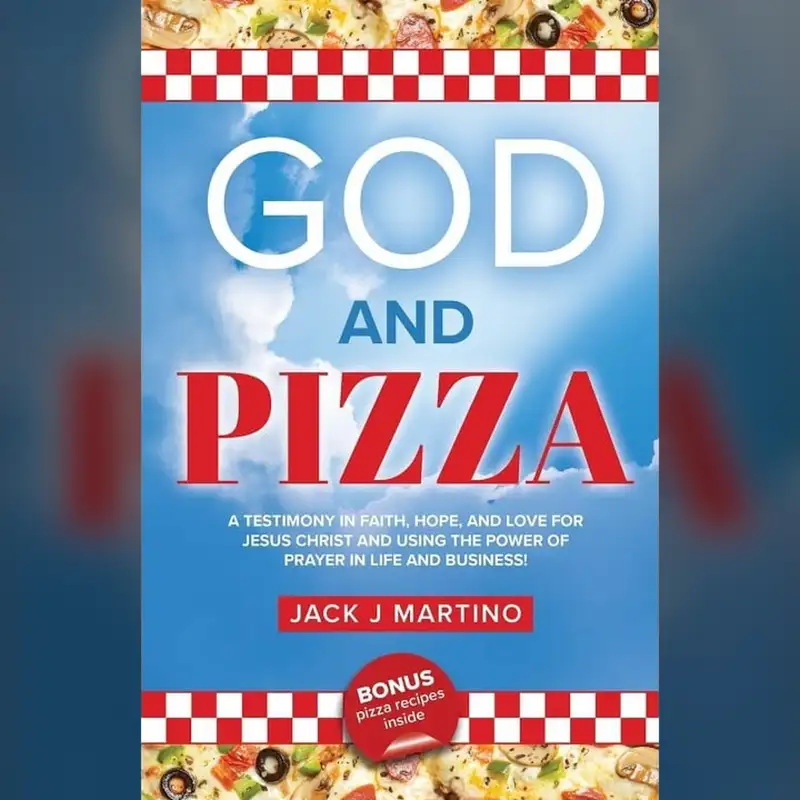
Jack Martino's Journey: Resilience, Entrepreneurship, and the Power of Faith

📬 Get new episodes in your inbox: https://passadino-publishing-llc.kit.com/c610a5004f Originally released as The John Passadino Show, now Looking Through the Lens of Hopefulness. I’ve been interviewing people who I’ve observed have spiritual or mental health insights whose knowledge can help me and others learn. On the latest episode of my show, I interviewed entrepreneur and author Jack Martino. This article reviews my experience with Jack. Jack Martino’s story is one of a powerful expression of faith, entrepreneurship and family and how putting Jesus first transformed both his personal life and business success. His book “God and Pizza” chronicles his great American dream journey of resilience, spiritual awakening initiated by unexpected sources, and practical business wisdom gained along the way. When young, he worked for his father, who had developed top-tier business acumen as a restaurant owner. It was through him; he learned the meaning of hard work and perseverance. For example, his father, instead of granting him access to a primary role, made him start at the bottom, mopping floors. With this approach, Jack learned every aspect of the business and built layers upon layers of experience. He graduated from his role as a menial worker, observing his father’s technique along the way, to becoming a pizza maker alongside him. Although he thrived with his father, he wanted to go out on his own and start his own business. So, like the prodigal son of the New Testament, who went off on his own despite having the benefit of his father’s support, he left the thriving pizza business in New York to start his own in Florida. Then, like the prodigal son of the Bible, he found himself in trouble. He lost his business and a great deal of money because he said, “I wasn’t praying for God’s presence,” which he later learned lifted him up during the times he took for granted. Eventually, mirroring the biblical story, his father celebrated his return. In the New Testament story told by Jesus, the father celebrated because his son “was lost and then was found.” As I listened to Jack and reflected on that story, I realize Jesus meant the son was spiritually lost as was Jack Martino. A key to Jack being found was a generous family he met in Florida, who helped him get back on his feet and led him on the path to Christian enlightenment. Their generosity, including making and serving Jack food and giving him a place to sleep when he had nothing, resembled the famous story of the Good Samaritan as written in the New Testament. In that story, a person in need, passed by others in the street, was inexplicably helped by a Samaritan. But more importantly, they led Jack to a different version of Christianity than the one he knew. It consisted less of rules and dogma and more of a direct acknowledgement of the Lord through prayer, scripture, and practice. Spiritually enriched by God and his friends, he returned home, where alongside his father again, he built a restaurant, and saw the business thrive, and his material possessions increase. According to Jack, his love for possessions had risen above his love of God, and that caused another downfall. Ultimately, his new business failed, and he lost his wife to divorce. We both concluded that ego and selfishness choked off God’s power, which supported his hard work, business and family, and that he needed to reconnect with it, and that is what he did. Some call what he experienced a catharsis; others could say it was a spiritual awakening, and some Christians may say he was born again. Regardless of the label, he understood he should commit wholly to Jesus, permanently, so he committed. Today, he runs another business, while thoroughly invested in Christ, and the business does very well. Christian rock blares from the restaurant speakers, and a poster of his book adorns its front window. During the candid interview, Jack shared valuable insights for aspiring entrepreneurs, drawing from his hands-on experience in the foodservice industry. His advice combines practical business sense with his faith-based principles for sustainable success. He spells out his ten tips for prospective business owners clearly over a page and a half. For example, know what kind of business you would like to be in, where your talents lie and what you love to do. Then investigate finance, location, and legal aspects. I said, “Jack, I have an MBA, and you said more in one page than I learned in two years.” We both laughed, because we knew it was true. Jack’s expertise is not only in the spiritual and business world. His book offers practical recipes for creating delicious homemade pizza. He opened his kitchen to me and prepared two delicious pizzas, one Neapolitan and the other Sicilian. Then we sat at a restaurant table, and we literally broke bread together. In closing, the interview offered both spiritual insights and concrete business advice, making it valuable for entrepreneurs at any stage of their journey, plus those in any walk of life who will benefit from Jack’s decades of experience in family life and spirituality. Talking to Jack reminded me of my Great Depression era parents, who worked multiple jobs to provide for our family. Faith and Christian values bolstered their ability to survive during hard times, too. So, like them, and Jack, I learned to work hard and have faith. Have you ever faced a challenge that seemed insurmountable? Jack Martino’s story might inspire you to keep going. You can watch the full interview, including a pizza-making demo, on YouTube.
#12

Adrienne Bender: A Mother on Losing Both of Her Children

📬 Get new episodes in your inbox: https://passadino-publishing-llc.kit.com/c610a5004f Originally released as The John Passadino Show, now Looking Through the Lens of Hopefulness. Author Adrienne Bender—photo credit https://adriennebender.com/ In the latest episode of Looking Through the Lens of Hopefulness, I interviewed Adrienne Bender, author of “The Almost Miracle Years” which chronicles her journey as a mother and caregiver to her two children and other family members. Her book is not simply a memoir — it’s a testament to her perseverance, transformation, and her pursuit of healing. Adrienne’s journey to motherhood began as a teen, a challenging position to be in. Yet, she completed schooling to become a psychiatric nurse. That position would anchor her when slammed with unthinkable challenges that would befall her and her family. At the heart of Adrienne’s story are her two children, each beset by a disease that would haunt their youth. Doctors diagnosed her daughter Mackenzie with leukemia when she was just eight years old. She would undergo aggressive surgeries and treatments, causing her horrendous pain and suffering to the point nurses tending to her were driven to tears. Meanwhile, her older stepbrother, Kyler, grappled with substance abuse and addiction in the shadows, with Adrienne torn between providing care for both. Adrienne spoke about the trauma of seeing her children suffer while she stood on the balance beam of motherhood. She described her longing prayers, which resulted in small but temporary normalcy such as her daughter’s five-year remission, and her son’s periods of sobriety. However, those incidents were steps on the ladder of a one step up and two steps down life story. Despite near miraculous recoveries her daughter’s disease returned, and in 2018, Mackenzie agreed to end the desperate attempts to save her life. The book documents fifteen-year-old Mackenzie’s heart-wrenching statement to family, saying it was time to end the fight. … it doesn’t seem like I’m going to make it back from this one. I don’t want my life to be filled with test tubes and hospital visits… I have made a decision that when it comes to that time, I will live to the fullest I can, cross off everything on my bucket list, and die happily… Then in 2023, Adrienne’s son Kyler, trying so hard to get his life together, passed away from injuries and fentanyl poisoning. Those losses and her journey to healing herself and others defined Adrienne’s life forever. We talked about her crushing grief — not just for the death of her core family members including her father, inexplicably from the same disease as Mackenzie, and grandfather from Dementia — but for disappointing partners, one of whom was a husband who left while she dealt with her children’s illnesses. Adrienne and I talked about a quote from her which I had messaged to my grieving nephew just before our interview. She said, “…grief and healing aren’t a straightforward course, it’s a maze, and it’s important for people to know that it’s ok to fumble through it.” She also said grief “feels like you’re drowning in an ocean that doesn’t even have a shore.” That is a small sample of the wisdom Adrienne earned and shared. Adrienne’s path to healing included her own struggles with depression and anxiety, including the use of alcohol to numb her pain. Despite those struggles, she found the strength to document not just her innermost feelings, but those of her mom, via her mom’s journals, who provided support every step of the way. Adrienne’s words, both in print in her book and via our conversation, relayed to me a view of her resilience and strength that enabled her to experience her grief while surviving. Her story is more than a common tragedy of an insidious disease; it is an analysis of the human spirit. Through her writing and her quest to educate others, Adrienne encourages others to speak openly about grief and loss, to resist the status quo of hiding it, and to allow themselves to mourn. While Adrienne would never call herself “healed,” she has found a sense of peace. She spoke movingly about the ways her children’s memories fill her days with meaning and described moments in which she feels their presence. She said, “I feel like they’re not dead. They’re just not here. I just can’t see them.” She also said, “…they’re stronger on the other side than they are here. I fully believe that.” Those statements are a testament to her faith and afterlife. Adrienne Bender’s journey — as a young mother, a nurse, an author, and a survivor — offers invaluable lessons for anyone grappling with loss, grief, or the complexities of life. Her book, “The Almost Miracle Years,” is a tribute not only to her children but to the human spirit. Our podcast conversation was more than an interview; it was an immersion into the depths of grief and resilience. Adrienne’s story challenges us to face our own suffering, to appreciate moments of grace, and to remember that, after the darkest storms, rainbows follow. If you or someone you know is struggling with loss, and we all are to varying degrees, Adrienne’s story offers a large dose of empathy that tears into your heart but then rebuilds love and hope around it. As Adrienne said regarding the difficulty of reading such tragedy, “I know some people have a hard time because I think it’s just a sad story…but…once you get to the end, it’s not a sad story.” Adrienne’s book is a book about undying and eternal love, the love we should always strive for in our daily interactions with each other and for those who passed on before us. You can listen to the full interview on YouTube or find Looking Through the Lens of Hopefulness on all major platforms such as Apple Podcast, Amazon Music, Audible, Spotify and Overcast. Article and Podcast Copyright Passadino Publishing LLC
#11

Zulie Rane: Can You Still Make Money Writing on Medium?

📬 Get new episodes in your inbox: https://passadino-publishing-llc.kit.com/c610a5004f Originally released as The John Passadino Show, now Looking Through the Lens of Hopefulness. Blogger is a term used for a writer who writes articles and posts them online for an audience to read. The word “log” as in a captain’s ship log, forms the core of the word. I first “blogged” on a Google-owned site called Blogger in the early 2000s. The white screen with a blinking cursor would beckon me to spill my soul, and I tapped away after a long day at work. The page welcomed me. It didn’t talk back. It just listened. However, I worked an IT job by day, and ninety percent of my eye and mind-numbing work involved me facing the screen and typing until my fingers literally hurt. I stopped blogging to gain my equilibrium. After I left Blogger, blogging became a fixture in the gig economy, with many writers making a living from it. Mainstream media outlets paid attention to what leading writers said. Some drew hundreds of thousands of followers. When I left my full-time job in 2021, I set out to write what I wanted. However, using my retraining money from my layoff package, I attended Writers Digest University, where I learned the art of novel and short story writing, so my focus became fiction writing. The instructors could be brutally honest, as were fellow students when we interacted. It bruised my ego, but I learned story structure, grammar and usage. However, long-form writing felt like an insurmountable mountain. I wanted a quicker path to publication. It was then that I discovered Zulie Rane on YouTube. Her unbound enthusiasm for a blog site called Medium was infectious. She said it was a great place to write and earn. Her face shone, and her articulate voice beckoned me. I thought back to Blogger and all the writing I did. I had discovered the missing link. My personal non-fiction stories! In 2023, I wrote my first articles on Medium. Months went by, and I saw little reaction. I had three followers and no readers. I stopped trying and went back to fiction and published a short story book instead. A turning point came in 2024 when I received an invitation from Medium to attend an online seminar. My eyes widened as I realized all I had missed. I learned I could apply to write for publications where editing teams under the leadership of publishers like Susan Brearley and Kiki Walter would review my writing and give me the feedback I missed. Once again, I learned my writing required refinement, and I learned that following a process, could lift my words to a higher level. In parallel, I signed up for courses with a company called Write, Build, and Scale that showed me an in-depth view of Medium from every angle. Their lighthearted, professional and detailed approach raised my writing to even greater heights. Zulie appeared again, acting as a consultant to the creators of the course. My writing centers on memoir, humor and self-improvement, and I have achieved success at it. In one year, my follower count increased dramatically, with people who are not friends and family and not “follow for follow” users showing interest. Also, curators on Medium boosted my articles so they would get more reads, which translated to more earnings. My article views and earnings skyrocketed. I encouraged other writers to join Medium. “Join Medium where you can earn instantly.” A statement like that is music to a writer’s ears. However, in 2025 my reads and earnings dropped despite my working hard on each article. Unfortunately, a shift had occurred as Medium adjusted to the proliferation of “gig economy” listicle articles, AI-generated material, and spammers imitating writers. They entered an era of quality control to ensure genuine writers wrote genuine stories. I believe the expression “baby thrown out with the dirty bathwater” applied because although I enjoyed a boost here or there, overall, I lost the attention of readers. My next adventure brought me to Substack, where the business model centers on earning money from a newsletter. I joined Write Build Scale to learn the ropes. The course, just like the Medium course, is well planned and detailed, but I didn’t gain traction. Between my experience on Medium and Substack, I wondered if I belonged in the blogosphere at all. Then I viewed an article that compared Substack to Medium by Zulie. Remembering her expert advice as YouTuber and consultant, I invited her to my podcast to talk about her history as a blogger, AI and its impact, changes at Medium and how I can find a target audience. As I suspected, her effervescent personality and charismatic voice burst through the screen. Like me, she started out slow as a blogger. She needed to learn the ins and outs of what made an article successful. Not only did she do that, but she built a business to teach others how to. Last I looked, she had 175,000 followers on Medium on her personal blog page. Lately, she has transitioned to a new page in her life and career as a Medium employee who guides readers and writers on how to navigate and appreciate the site. Zulie was forthcoming with me when I asked what genre I should write in. She said I would do best if I included three components: expertise, interest, and value. In addition, she suggested viewing which articles got the most reads so I could find out what readers looked for. During my interview, Zulie gave me a brief tutorial on how to discover what I would love to write and what readers want, and I know people will enjoy hearing it. The elephant in the room is earnings. So many claim to put you on a path to earning a living via blogging. Zulie admitted she had made money at one time writing. However, she spent a good amount of time on the podcast explaining why Medium, while still paying out, may not be the best place to earn for many. Her frankness could have turned me off, but it has motivated me to get better at what I do. I don’t want to be an AI parrot. I am me, John Passadino, and I have decades of stories to tell. My legacy will not be the money I earned. It will be the quality of writing I created and shared. I’m hopeful my interview with Zulie will resonate with others and may even encourage them to write their own blog, whether it be on Substack, Medium or in their personal journal. You can hear the interview on all major platforms by Googling Looking Through the Lens of Hopefulness. It’s available on Amazon Music, Audible, Spotify, Apple Podcasts, and Overcast. The full video version of the interview is available on YouTube: Happy blogging and don’t give up! Thanks for reading! Please comment. I would love to converse with you about this article. Article and Podcast Copyright Passadino Publishing LLC Watch the video version on YouTube: youtube.com/@lensofhopefulness
#10

Promise: From Psychosis to Buddhist Monk

📬 Get new episodes in your inbox: https://passadino-publishing-llc.kit.com/c610a5004f Originally released as The John Passadino Show, now Looking Through the Lens of Hopefulness. Host John Passadino welcomes guest Promise, a former Buddhist monk turned meditation and wellness coach. The conversation explores Promise’s unique journey from monastic life to modern mindfulness practice, highlighting how his spiritual background informs his current work in mental health and personal growth. Driving force: Promise’s mental health challenges, experience as a Buddhist monk and how it shaped his worldview. Cultural contrasts: John reflects on growing up in a Christian environment and how encountering Promise’s story offers a fresh perspective. Mental health insights: The discussion emphasizes the importance of mindfulness, emotional awareness, and holistic wellness in today’s fast-paced world. Practical advice: Promise shares accessible techniques for managing stress and cultivating inner peace, especially for those unfamiliar with meditation. Here are some compelling quotes from the show: Promise: “Monastic life taught me that silence isn’t empty—it’s full of answers.” “Meditation isn’t about escaping reality. It’s about meeting yourself in it.” “Mental health isn’t just about fixing what’s broken—it’s about nurturing what’s whole.” Conclusion: My enlightening discussion with Promise yielded a view I never saw before in mental health. He dealt with his issues holistically and grew a fresh and practical perspective. Also, he carefully documented his system with the goal of sharing it to help others. What’s so refreshing about him is his willingness to share much of his Mental Health Revolution material for free. You can find Promise’s Mental Health Revolution material here. The audio version of the interview can be heard in its entirity via Looking Through the Lens of Hopefulness on the following platforms: Spotify, Apple Podcasts, Amazon Music, and Audible. The video version is located on YouTube All content is copyright and all rights reserved by Passadino Publishing LLC Watch the video version on YouTube: youtube.com/@lensofhopefulness
#9

What a Spiritual Awakening Really Feels Like | Energy Healer Claire

📬 Get new episodes in your inbox: https://passadino-publishing-llc.kit.com/c610a5004f Originally released as The John Passadino Show, now Looking Through the Lens of Hopefulness. I interviewed The Sacred Rebel, also known as Claire, for my latest podcast episode on my show, Looking Through the Lens of Hopefulness, which is now heard on Spotify, Apple Podcasts, Amazon Music, Audible and YouTube (video version). I made some interesting discoveries on new age philosophy and its practice. You can find the complete interview broadcast on Looking Through the Lens of Hopefulness on Spotify, Apple Podcasts, Amazon Music, Audible, and YouTube (video version). Below, I summarize my interview. Claire is a multidimensional energy healer who has been in touch with her past lives. She told me she went through a spiritual awakening, which happened over a series of shifts over time culminating in a profound awakening in 2015. What does spiritual awakening mean? In Psychology Today magazine, Doctor Steve Taylor described it as “…a profound shift in consciousness and perception, leading to a deeper understanding of oneself and the universe.” The Bible Hub website says, “A spiritual awakening typically involves a profound recognition of the divine and a renewed awareness of truth.” To further illustrate, biblical scripture documents many awakenings, such as when the apostles of Jesus received the Holy Spirit during a day referred to as Pentecost. They saw tongues of fire and spoke in other languages. Reception of that spirit enabled them to heal others. Although there have been incidents of Christians’ ability to heal people since those ancient times, it’s rare to speak to someone who claims to have those capabilities, so I was grateful for the opportunity. Her abilities include energy healing, mediumship, and psychic intuition. She uses these abilities in her mentoring, support and guidance of spiritual seekers. Unlike the apostles, her awakening didn’t come on a particular day. She said, “I have experienced cycles of transformation—mini awakenings, deaths, and rebirths, each bringing new layers of wisdom.” Along the way, she uncovered what she calls “hidden wisdom,” and she “rediscovered the keys to her innate self,” which means triggering “dormant DNA,” within her, a DNA “waiting for the green light of consciousness….” “DNA, or deoxyribonucleic acid, is the hereditary material in humans and almost all other organisms.” I cannot explain how DNA manifests energy. You can read detailed explanations on the Sacred Rebel’s website, blogs and eBooks, but according to her, there’s potential for all of us to activate that dormant DNA. I thought to myself, do I want to attempt it? What are the ramifications? How much work will it take, and will I learn things I would regret? Do I really want to know who I was in a past life like Claire says she does? However, those are traditional fear thoughts. We discussed how there are always factions of people who would automatically resist when something different presents itself to them. I countered with examples of incidents of my divine experience. Claire listened intently and supported my views. I found her very easy to talk to. Her descriptions comforted me too. She said awakening, “…is similar to learning to walk for the first time as a child,” and that as humans develop, new generations will find it easier to access the information and energy within us. I found that statement most intriguing because Claire said the developed race of humans would contribute to the elimination of the darkness that’s befallen our world. I see parallels in the promises of a better tomorrow that various religions promise. The method of arriving at that point is different, but I believe the vision is the same. I mentioned that I believed Jesus was enlightened and that 2000 years ago, he could access any dimension. Claire did not disagree. However, we steered clear of analysis of religions because our conversation was not about who was wrong or right. It was about her personal transformation. I liked her profound statement: “I’ve come to understand that spirituality isn’t about transcending reality—it’s about grounding divine wisdom into everyday life.” Her words led me to determine that her approach to spiritual growth is practical because she’s not promising we will immediately float above our bodies or walk through walls but that we can, over time, access a fourth and fifth dimension from our current existence. She said there, “…is no timeline for awakening—only the unfolding of consciousness at its own divine pace.” In closing, the study of new age concepts encompasses past lives, multiple dimensions, energy, chakras and more. My conversation with Claire showed once again that people can take part in civil discourse regardless of different belief systems and that there is hope for humanity. I hope you will find the interview as interesting and enlightening as I did. You can find it broadcast on Looking Through the Lens of Hopefulness on Spotify, Apple Podcasts, Amazon Music, Audible, and YouTube (video version). Note once again that Claire goes into much deeper detail on her website, blogs, and eBooks at https://www.starofavyon.net/ and on her Substack Watch the video version on YouTube: youtube.com/@lensofhopefulness
#8

Cleo Dunsmore Buchanan: She Says Angels Speak Through Her

📬 Get new episodes in your inbox: https://passadino-publishing-llc.kit.com/c610a5004f Originally released as The John Passadino Show, now Looking Through the Lens of Hopefulness. Cleo says we all have angels and we all can connect to them which can help us to heal and build our faith. Her spiritual transformation came twenty years ago during a bout with chronic fatigue syndrome, during which her meditations established her spiritual transformation. Her journey through that condition and other health conditions opened her up to what I call the divine. Today she’s able to tap into the spirit world, and angels speak to her and through her. Her YouTube videos show angels, such as the angel Santi, speaking through Cleo’s body. I found Cleo to be a fascinating person. Her knowledge of spiritual issues is all self-taught. She didn’t earn a PhD in psychology. Instead, she earned a PhD from the school of hard knocks, life experience and self-healing. I can’t say specifically how Cleo helped others because she protected the confidentiality of her clients, but the angel channeler zeroed in on my issues and experiences and immediately jumped into an intuitive analysis and positive affirmations. Her goal is to help people find confidence, joy and deep wisdom by guiding them to find it themselves. I immediately felt uplifted. Cleo offers classes to help people find answers and unlock their abilities by channeling with their own spirit guides in their own way and on their own time. I understand some may be skeptical. We live in a world of charlatans who often prey on the grief of others to make money. However, I felt Cleo possessed a high level of conviction and integrity. I can tell by her words, and her bright energy glow, she lives and practices what she preaches. In this often-frightening world in which people continually harm each other emotionally and physically, it was a pleasure to meet someone who specializes in the opposite, and that is healing them. I hope you will find this podcast interview as fascinating as I found it. You can find Cleo Dunsmore Buchanan on Facebook, LinkedIn, Medium, and YouTube. Watch the video version on YouTube: youtube.com/@lensofhopefulness
#7

Zəhra Üzeyirli: Can a Christian and a Muslim Disagree Respectfully?

📬 Get new episodes in your inbox: https://passadino-publishing-llc.kit.com/c610a5004f Originally released as The John Passadino Show, now Looking Through the Lens of Hopefulness. My macro level view of the world leaves me with the impression it's on fire most days. Political turmoil in the US, and wars dot the globe. I look at the media, including social media, and see searing division. My faith in humanity wanes often, and I wonder if our cultural and political differences are beyond repair. Friends and family routinely bicker then ghost each other over policies they have little control over. I wondered if I could bridge the gap between myself and someone whose life and situation are very different from mine. Would I regret starting a conversation? Would we spiral into emotional unrest? I needed an answer. For my show, I chose a writer whose articles I read previously. Her writing style, although passionate, appeared non-confrontational. However, I’m a Christian older adult living in the United States, and the writer, a female young Muslim adult from Eastern Europe. Although we had snippets of interaction before the show, an hour-long conversation might result in tensions. In this episode, recorded on the 13th of June 2025, we discussed questions about politics, life, and the human experience using Zəhra’s articles as our guide. I wondered how our faiths and cultures would influence our views of the world. Would those influences cause us to agree or disagree on many topics? Spoiler alert: We realized despite our differences; we landed on the same overarching page and that is empathy and concern for humanity. We didn’t aim to score points to win a debate or convince one another of our righteousness, a pattern we’ve seen so often in so many. Instead, we approached each topic with open minds, although we based our views on the study of issues, not just subjective opinion. You’ll hear analysis from both of our lives with a common thread of respect. I’m hoping this podcast will provide an example of how to engage in a conversation with someone whose outlook may appear to be drastically different from yours. At a time when division is easy and even encouraged by social media, our dialogue stands as a small but meaningful example of how understanding can be achieved. So, please give my show with guest Zəhra Üzeyirli a listen. I know you will see how our shared humanity can shine through the many differences that make us unique. Zəhra means "brilliance, light, and radiance.” Her articles exude those traits, as does her persona. It was my privilege to speak with her. Please check out her articles in her newsletter on Substack. Watch the video version on YouTube: youtube.com/@lensofhopefulness
#3

ADHD Coach Explains: How to Stop Getting Distracted & Actually Get Things Done

📬 Get new episodes in your inbox: https://passadino-publishing-llc.kit.com/c610a5004f Originally released as The John Passadino Show, now Looking Through the Lens of Hopefulness. I conducted a podcast interview with neurodiversity coach Stephanie Wilson in April 2025. This is a summary of the interview. When I first discovered her on Medium.com, I was drawn to her unique combination of comedy writing, self-awareness articles, and her delightful cartoons that accompany each piece. What I didn’t know then was that this talented writer and artist was also a certified neurodiversity coach—and that learning about her work would lead me to some profound realizations about myself. Artistic talent Stephanie’s journey is as multifaceted as her talents. With an MFA in painting and visual arts from Hunter College, she initially set out to become an artist. While fame may have eluded her, her artistic background has enriched everything she does. As she beautifully explained during our conversation, “writing is sculpting with words.” That perspective—treating language as a material to be shaped, refined, and crafted—infuses both her coaching practice and her creative work. For nearly five years now, Stephanie has maintained a blog on her website, posting every Wednesday without fail. She’s also an editor on Medium.com, where her supportive and constructive feedback has made her a valued member of the writing community. But it’s her work as a neurodiversity coach that has become her personal mission. What Is Neurodiversity? When I first came across the term “neurodiversity coach,” I’ll admit I was not familiar with the term. Was she a neurologist? Some kind of brain specialist? As Stephanie explained, neurodiversity refers to brains that diverge enough from typical brain structure and patterning that they cross what she calls a “clinical line”—resulting in diagnoses like ADHD, autism, and various learning disorders. What struck me most was how she describes the high comorbidity—the frequent co-occurrence—of these conditions. Many people don’t fit neatly into one diagnostic box. They might have ADHD and anxiety, or autism and ADHD together. In fact, Stephanie recently presented on the combination of autism and ADHD, which isn’t yet a formal diagnosis in the DSM (Diagnostic and Statistical Manual) but is increasingly recognized as a common experience. As we talked, I thought, “This sounds familiar.” The ADHD, the fidgeting, the anxiety—bells were going off in my head. I shared with Stephanie how a neurologist once told me during a difficult period of panic attacks: “It’s the way you are wired.” Those words lifted a tremendous burden from my shoulders. I had been chasing diagnoses, beating myself up, wondering what was wrong with me. Hearing that this was simply how my brain works—not a moral failing, not something I could just “fix” through willpower—changed everything. What is coaching versus psychotherapy? One question I had to ask: What’s the difference between neurodiversity coaching and psychotherapy? Both seem to involve talking through problems, understanding yourself better, and working toward change. Stephanie’s answer painted an understandable picture. While coaching certainly deals with emotions (because “emotion drives everything”), the focus is fundamentally different. Therapy often looks backward, examining your past and working through it. Coaching looks forward, focusing on experimentation and action. Here’s how a typical coaching session works: You have a conversation that leads to an “aha moment”—some shift in perspective or awareness. Then, instead of just talking about it, you leverage that moment by trying something new. It’s an experiment. Between sessions, you go out into the world and test this fresh approach. When you return, you report back—and here’s the key part—whether you succeeded or failed doesn’t matter. All outcomes are equally valuable data. As Stephanie put it, you might have done exactly what you intended, or done it twice as much, or halfway, or avoided it entirely, or completely forgotten about it. Each scenario offers insights for building self-awareness and developing skills. “We are scientists collecting data,” she explained. This action-oriented approach makes sense when you consider the ADHD field’s mantra: “Pills don’t teach skills.” Medication might give you a tiny pause between impulses, but you need to develop the skills to use that pause effectively. I made myself a real-world example I shared a daily struggle of mine with Stephanie—something I think many of you can relate to. I sit down to pay the electric bill, and suddenly I notice an open browser tab. I click on it, see an email that needs forwarding, remember something for the theater board, check social media for responses, and then an hour passes without me paying the bill. Stephanie’s response showed her coaching approach clearly. She identified two scenarios: First, there’s the anxiety-driven distraction. We know from experience that we might forget things, so when we see that open tab or get a notification, anxiety kicks in. “What if I forget this?” The fear propels us to click, to address it immediately, to juggle everything at once. Her solution? Externalize the brain. Write things down on Post-it notes as they come up. The physical act of recording the task on paper (or in a reminder app) calms the anxiety because now your “external brain” is remembering for you. Knowing the other tasks are captured and waiting allows you to focus on paying that bill. The second scenario is pure rabbit-hole diving—the dopamine hit of clicking on something interesting, getting that notification, seeing who gave me a like on a social media app. For this, Stephanie suggests environmental controls: turning off notifications during focus time, and creating a cozy, dedicated workspace. Building new habits What I love about Stephanie’s approach is its structure and practicality. She talks about making “deals with yourself”—carving out a specific time in a cozy environment (for her, it’s early morning at the kitchen table with coffee) for dedicated focus. The more you follow through on these deals, the more you build the skill. The next day, you’re more likely to do it again because you remember how good it felt to succeed. Stephanie’s advice reminded me of advice from the bestselling book, Atomic Habits. She also shared a powerful insight from the book “Four Thousand Weeks”—we try to cram so much into our days that we create anxiety and stress, which only increases our distractibility and need for those dopamine hits. Instead of planning to accomplish ten things, plan for two or three. Give yourself space. Have a “vacation” between tasks as a reward. Finding your tribe One of the most moving moments in our conversation came when Stephanie described attending her first CHADD conference (Children and Adults with ADHD). CHADD is the main educational and research organization around ADHD in the United States, and their annual professional conferences bring together researchers, psychologists, psychiatrists, and coaches. “I cried,” Stephanie said, “because here is my tribe and the people that are up there that are lifetime achievement award big researchers, psychologists, psychiatrists presenting in these massive presentation halls have ADHD.” That moment of recognition—seeing successful people who share your neurodivergence, realizing you’re not alone, that it’s okay—is transformative. It shifts the narrative from “What’s wrong with me?” to “Now what can I do to make life better?” My experience from the dark ages of education As we talked, I found myself reflecting on my own journey. I grew up in the 1960s and 70s, attending strict Catholic schools that punished, not accommodated, differences. If you fell behind in math, you could incur a physical penalty. There was no help, no understanding, just the expectation that you’d keep up or suffer the consequences. I contrasted this with my son’s experience. He had speech therapy, occupational therapy, and physical therapy starting at age three or four. He went through inclusion programs throughout school, and despite people warning us that he’d never function if we kept him in “special ed,” he graduated college. The difference? He had support. He had people who made him feel okay, who built his confidence, who understood that his brain worked differently. Talking with Stephanie helped me realize how fortunate we were—and how different my own childhood might have been with similar support. I firmly believe I would have been less anxious and would have suffered less. And as I told Stephanie, if her coaching helps people not feel terrible, even at a minimum, she’s a saint. Stephanie’s coaching Stephanie’s work focuses on high school, college, and post-college age clients. Her mission is to help them see themselves in a positive light and leverage their strengths sooner rather than later. As she put it, “I feel like my work is done here” if she can achieve that. Her website offers a wealth of resources, including ADHD resources, coaching information, testimonials, and the option to request a free consultation. She also writes for ADDitude Magazine and maintains her popular Medium presence where she publishes both comedy and self-awareness articles, each illustrated with her unique cartoons. What makes Stephanie special isn’t just her credentials (though her training through the Neurodiversity Coaching Institute, membership in the International Coaching Federation, and her work with CHADD are impressive). It’s her genuine care for her clients. “I love my clients,” she told me. “Every single one of them. I’ll say that every day.” Reflections Stephanie and I ended our conversation reflecting on something beautiful: the ongoing journey of self-awareness. Throughout our lives, we have moments of greater self-awareness, moments when things click into place, when we understand ourselves a little better. That’s what our conversation was really about. For me, discovering Stephanie’s work and learning about neurodiversity coaching has been one of those moments. It’s helped me understand my own wiring, revisit my son’s journey with new appreciation, and recognize how close I’ve been to these issues throughout my life without fully seeing them. That’s the power of awareness—and the power of having someone like Stephanie Wilson to guide the journey toward something better. To learn more about Stephanie Wilson’s neurodiversity coaching, visit For Something Better. You can also find her articles and cartoons on Medium.com, where she writes about self-awareness, personal growth, and the occasional comedic take on life’s absurdities.  Listen to the full interview on Looking Through the Lens of Hopefulness, available on Spotify, Apple Podcasts, Amazon Music, Audible, and YouTube. Spotify: Apple: Amazon Audible YouTube: Article and podcast copyright 2025 Passadino Publishing LLC All rights reserved Watch the video version on YouTube: youtube.com/@lensofhopefulness
Previous Page

Displaying 21–35 of 35 in total

Next Page